
Conquering Sleep Anxiety: Effective Tips and Strategies for Better Sleep Hygiene
Sleep anxiety can feel like a trap. When your mind races at night, worrying about falling asleep or staying asleep, it only makes restful sleep more elusive. If you struggle with this, you’re not alone. Many people experience sleep anxiety, which can seriously affect your health and daily life. The good news is that you can take steps to calm your mind and improve your sleep hygiene, setting the stage for better rest.

Understanding Sleep Anxiety and Its Impact
Sleep anxiety happens when you feel nervous or stressed about sleep itself. You might worry about not getting enough hours, fear the effects of poor sleep on your health, or dread the frustration of tossing and turning. This anxiety can create a cycle where the more you worry, the harder it becomes to fall asleep.
This cycle affects your nervous system, increasing heart rate and stress hormones, which keep your body alert when it should be winding down. Over time, this can lead to chronic sleep problems and impact your mood, concentration, and overall health.
Recognizing sleep anxiety is the first step. It’s not just about being tired; it’s about how your thoughts and feelings interfere with your ability to rest.
1. Create a Consistent Sleep Routine
One of the most effective ways to reduce sleep anxiety is to build a predictable sleep schedule. Going to bed and waking up at the same time every day helps regulate your body’s internal clock. This consistency makes it easier to fall asleep naturally and reduces the pressure you might feel about “needing” to sleep.
Try to:
Set a fixed bedtime and wake-up time, even on weekends.
Develop a calming pre-sleep ritual, such as reading or gentle stretching.
Avoid naps longer than 20 minutes during the day to keep your sleep drive strong.
By training your body to expect sleep at certain times, you lower anxiety and improve your sleep hygiene.
2. Manage Your Sleep Environment
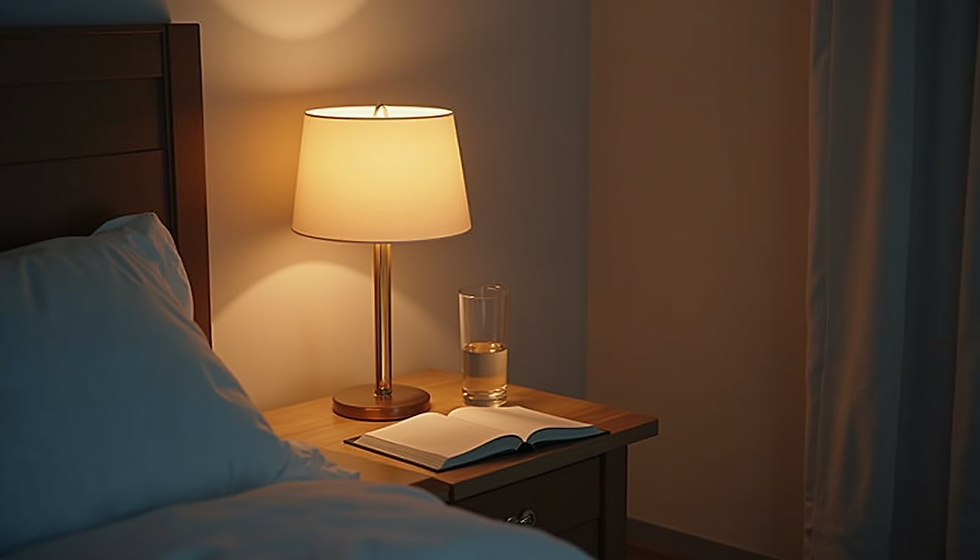
Your bedroom should be a sanctuary for rest. A cluttered, noisy, or uncomfortable space can increase stress and make it harder to relax. Focus on creating an environment that supports sleep:
Keep your room cool, ideally between 60-67°F (15-19°C).
Use blackout curtains or a sleep mask to block light.
Reduce noise with earplugs or white noise machines.
Invest in a comfortable mattress and pillows.
Limiting screen time before bed is also crucial. The blue light from phones and computers tricks your brain into thinking it’s daytime, disrupting your natural sleep signals.
3. Practice Relaxation Techniques to Calm Your Mind
When anxiety keeps your mind active, relaxation exercises can help you regain control. These techniques reduce stress hormones and prepare your body for sleep:
Deep breathing: Try inhaling slowly for 4 seconds, holding for 7 seconds, and exhaling for 8 seconds.
Progressive muscle relaxation: Tense and then release muscle groups from your toes to your head.
Guided imagery: Visualize a peaceful place or a calming scene.
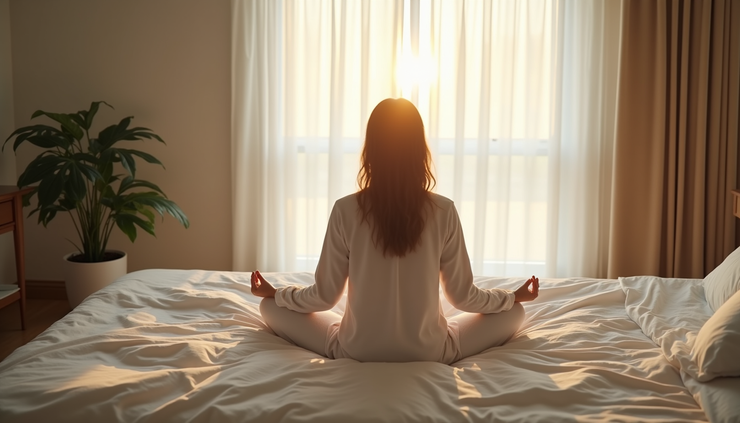
Mindfulness meditation: Focus on your breath or body sensations without judgment.
Using these methods regularly can ease your worries and improve your sleep hygiene by signaling to your brain that it’s time to rest.
4. Limit Stimulants and Heavy Meals Before Bed
What you consume in the hours before sleep affects your ability to relax. Caffeine, nicotine, and alcohol can disrupt your sleep cycle and increase anxiety:
Avoid caffeine after mid-afternoon.
Skip nicotine close to bedtime.
Limit alcohol, which might help you fall asleep but reduces sleep quality.
Eat light meals in the evening and avoid heavy, spicy, or sugary foods.
Hydration is important, but try not to drink too much water right before bed to reduce nighttime bathroom trips.
5. Use Cognitive Techniques to Challenge Sleep Worries
Sometimes, your thoughts about sleep become exaggerated or unrealistic. Cognitive techniques can help you change how you think about sleep and reduce anxiety:
Write down your worries: Journaling before bed can clear your mind.
Set a “worry time” earlier in the day: Give yourself 15 minutes to think about concerns, then move on.
Challenge negative thoughts: Replace “I will never fall asleep” with “I might rest even if I don’t sleep right away.”
Focus on the process, not the outcome: Concentrate on relaxing rather than forcing sleep.
Visualization: Imagine a peaceful, mindless activity, like sitting by a campfire or rowing a canoe, and direct your body to act this activity, focusing on the sensory stimulation you would receive from the activity which allows the mind to quiet.
Cognitive Defusion: Create psychological distance from the anxiety by saying "I notice" statements about your anxieties.
Body Curiosity Scan: Take time to consider specific parts of your body, asking yourself questions about how the body parts feel, compare, and contrast.
Floating Thoughts: Consider your thoughts as clouds which appear and float away, allowing acknowledgment of the thought clouds as existing but not permanent. The thought clouds are meant to be released and accepted as floating away.
Breath and Anchor: Find two words that offer peace and harmony for you and repeat one of those words after a long inhale and then the other word after a long exhale. Repeat the process, allowing your mind to focus on those words and the rise and fall of your chest with each breath.
Mental Parking Lot: Placing anxious thoughts in a "mental parking lot" by "parking" each thought and acknowledging their existence to be addressed at another time.
These strategies help break the cycle of anxiety and improve your relationship with sleep.
6. Stay Active During the Day
Physical activity supports your health and sleep hygiene by helping you fall asleep faster and enjoy deeper rest. Aim for at least 30 minutes of moderate exercise most days, but avoid vigorous workouts close to bedtime.
Activities like walking, yoga, or swimming can reduce anxiety and improve mood, making it easier to relax at night.
7. Seek Professional Help When Needed
If sleep anxiety persists despite your efforts, consider talking to a healthcare provider or sleep specialist. They can help identify underlying issues like generalized anxiety disorder or insomnia and recommend treatments such as cognitive-behavioral therapy for insomnia (CBT-I).
Remember, improving sleep hygiene and managing anxiety is a process. It takes time and patience, but the benefits to your health and well-being are worth it.
Sleep anxiety can feel overwhelming, but you have tools to regain control. By building a consistent routine, creating a calming environment, practicing relaxation, and managing your thoughts, you can improve your sleep hygiene and enjoy better rest. Start with small changes today and notice how your nights become more peaceful and your days more energized. Your health depends on it.


Comments